Kensington Gardens Lifestyle Estate residents feel at home with timber.
Warp restraint
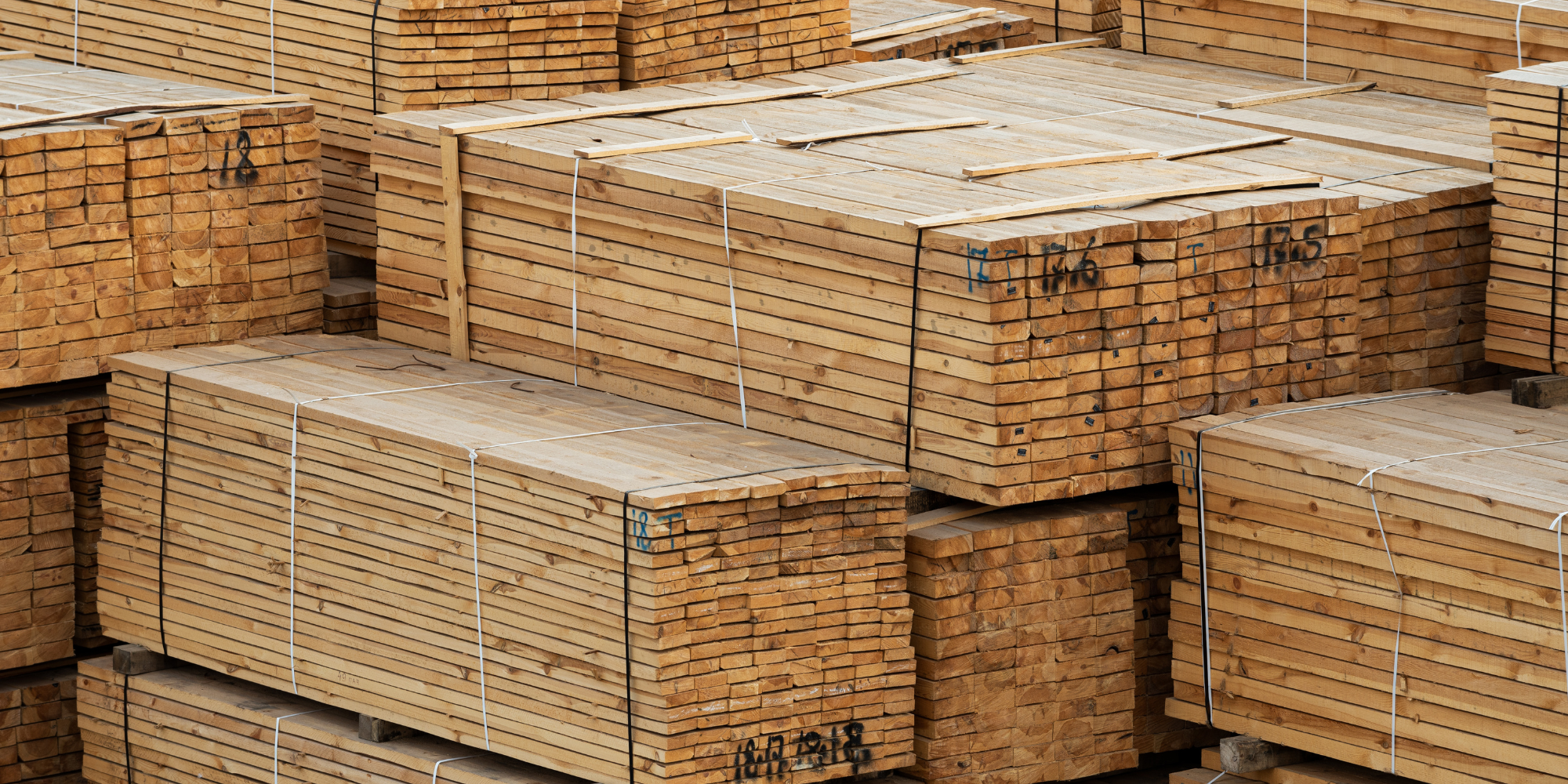
In drying timber and other wood products, the application of external loads to a rack, stack or pack of the timber to prevent or reduce warp.
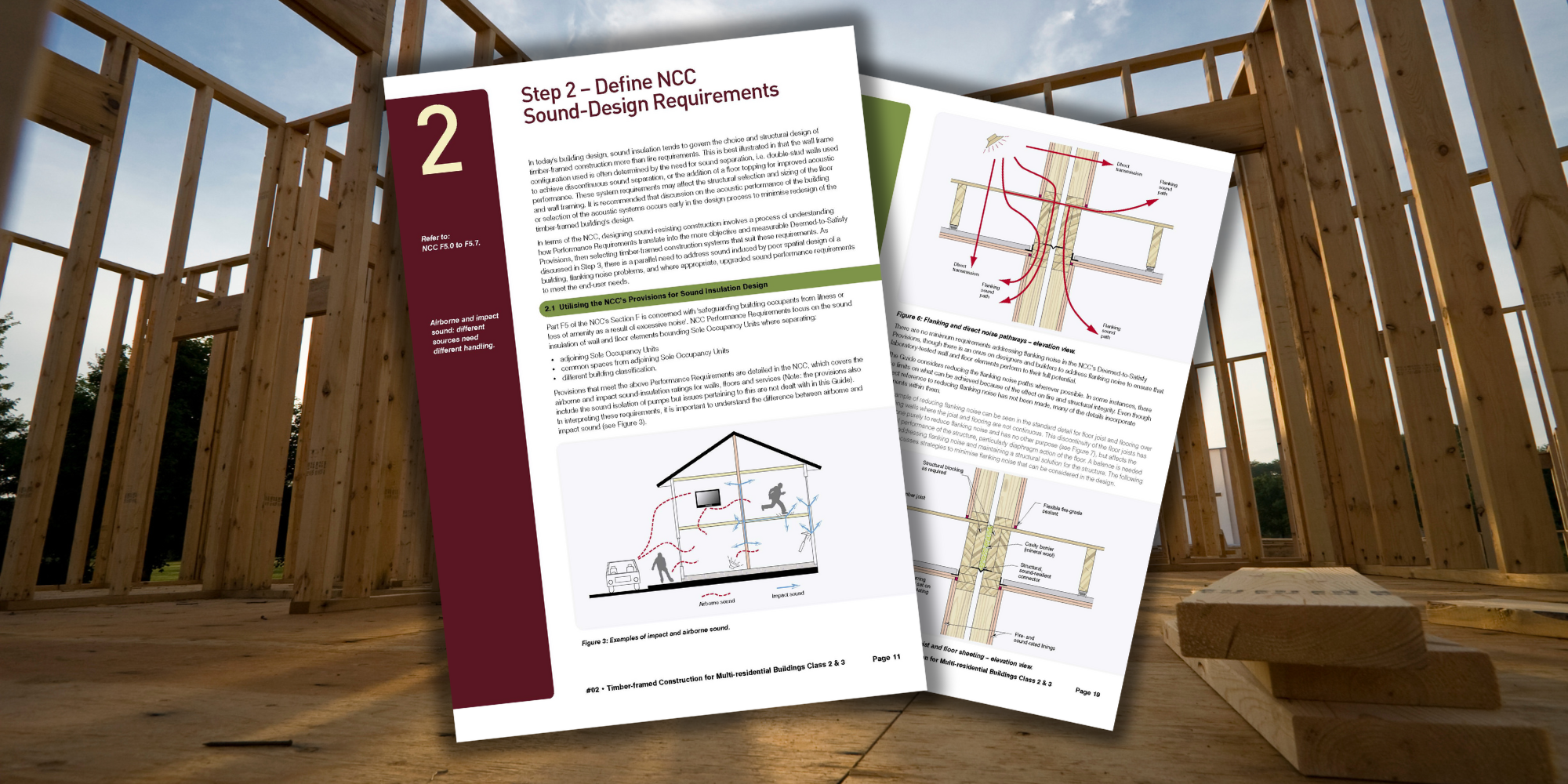
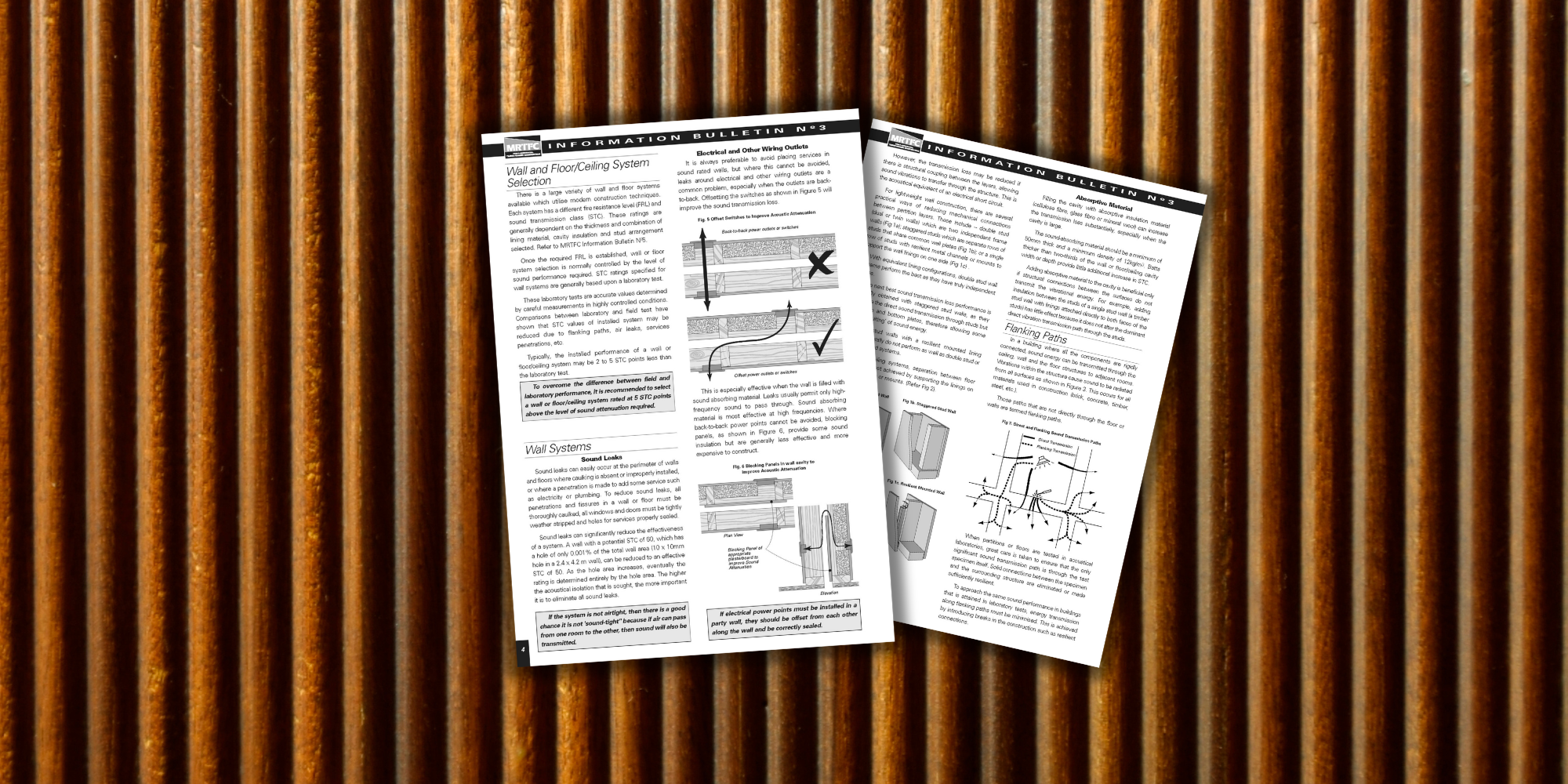
This section contains information on timber design and construction compliance related to fire, acoustics, building classes, environmental impact, thermal performance and quality assurance. Additionally, it specifically covers MRTFC (Multi-Residential Timber Framed Construction) and AS 1684, a four-part Australian Standard covering compliance for timber framing.
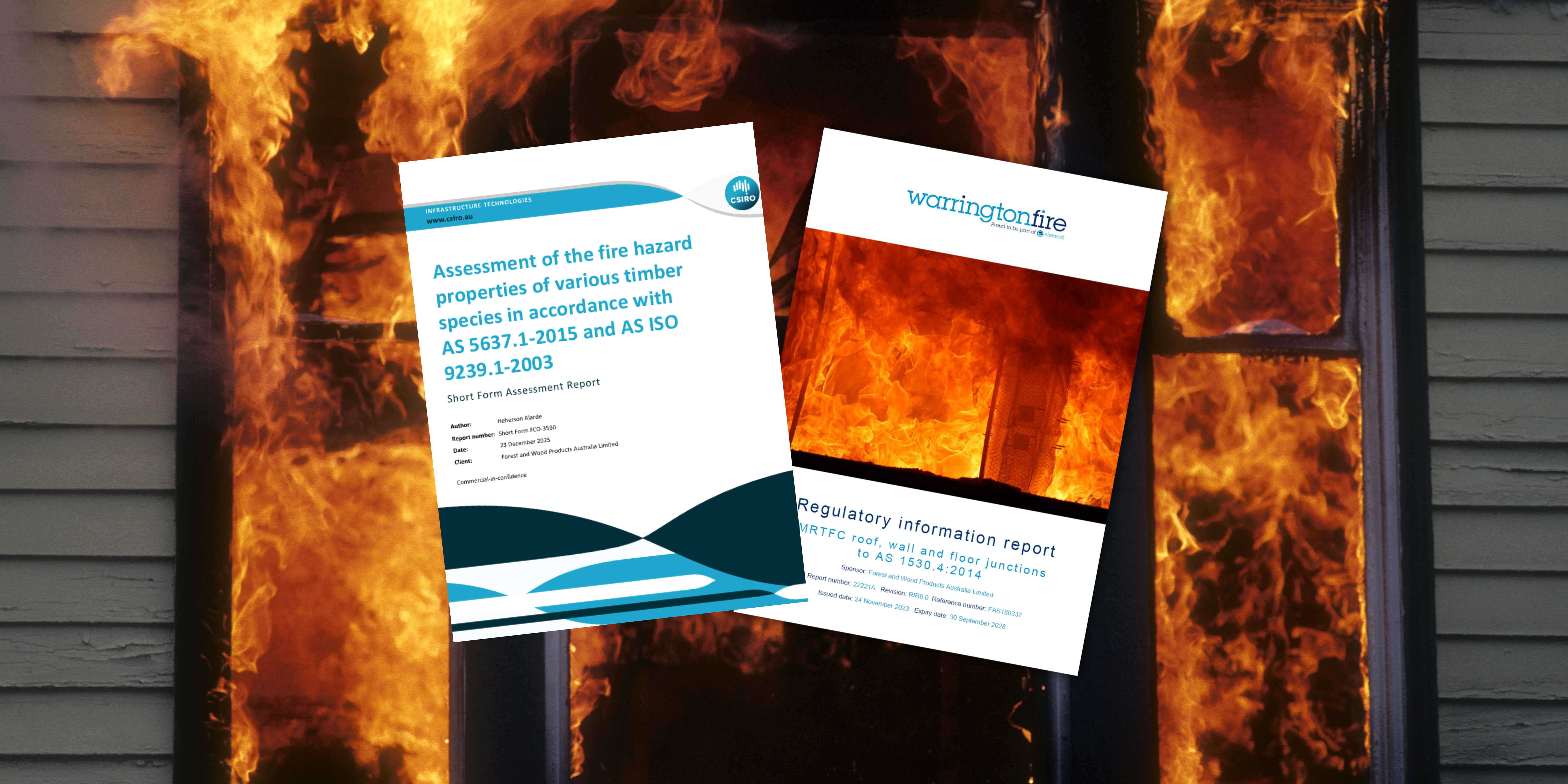
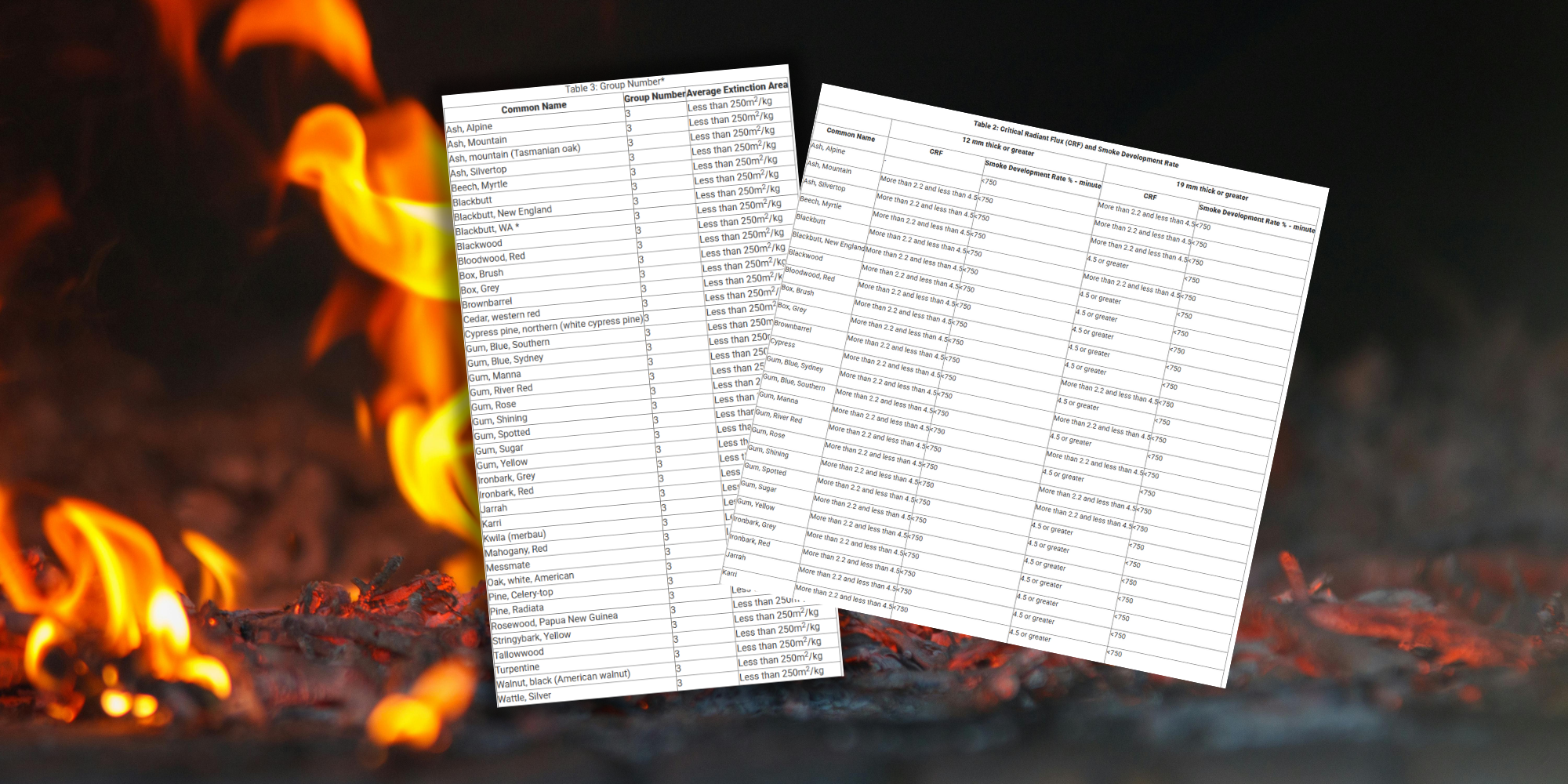
Guidelines to assist in the establishment of compliance with the BCA fire safety provisions, including the design of structures and partitioning.
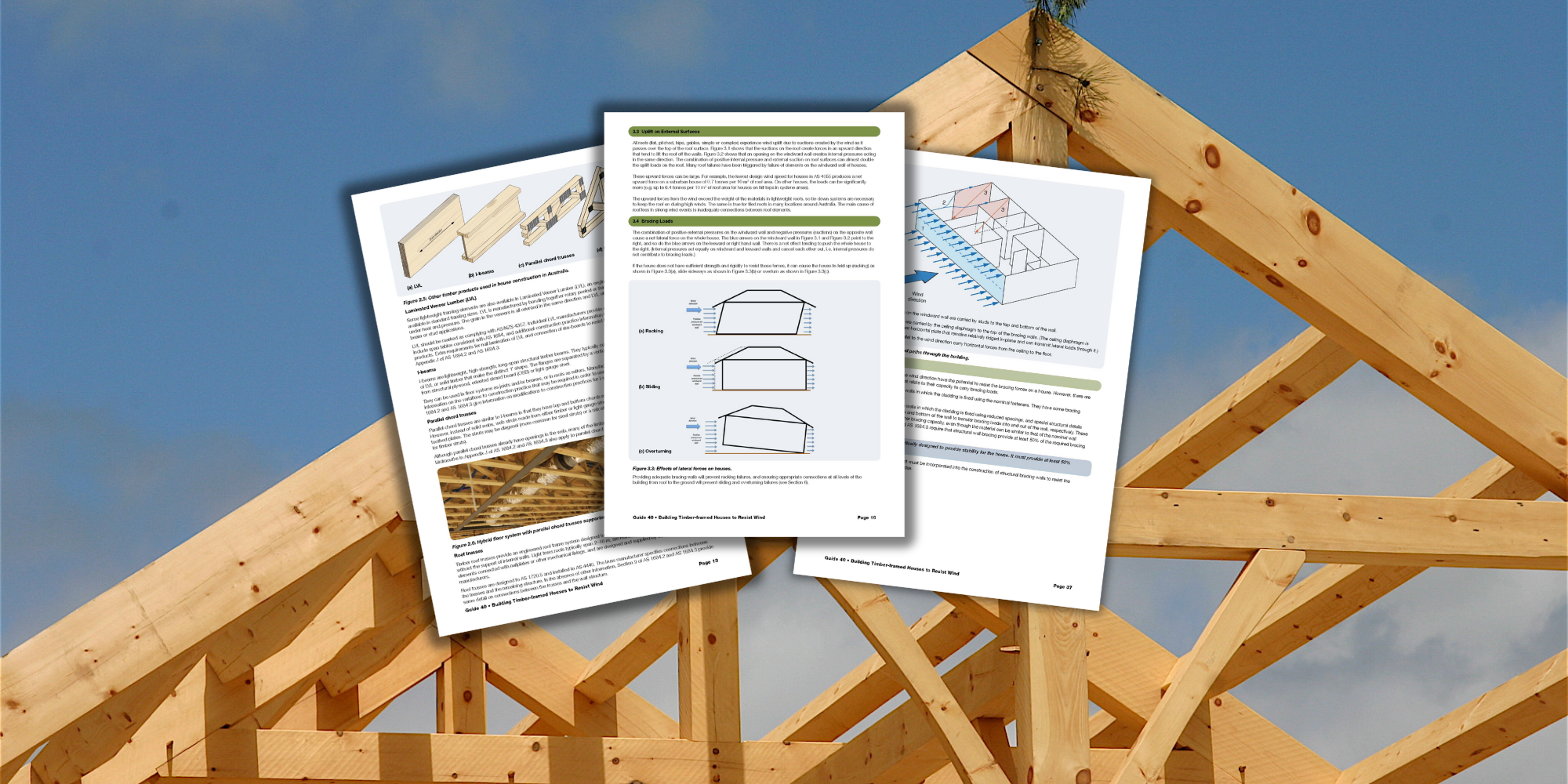
AS 1684 User Guide 1 - Nominal vs specific fixings
Environmentally friendly housing design principles using traditional timber construction aid informed decision making by designers, architects, builders, developers, home buyers and building authorities.
General information on fire and sound rated systems to assist with selection for MRTFC projects.
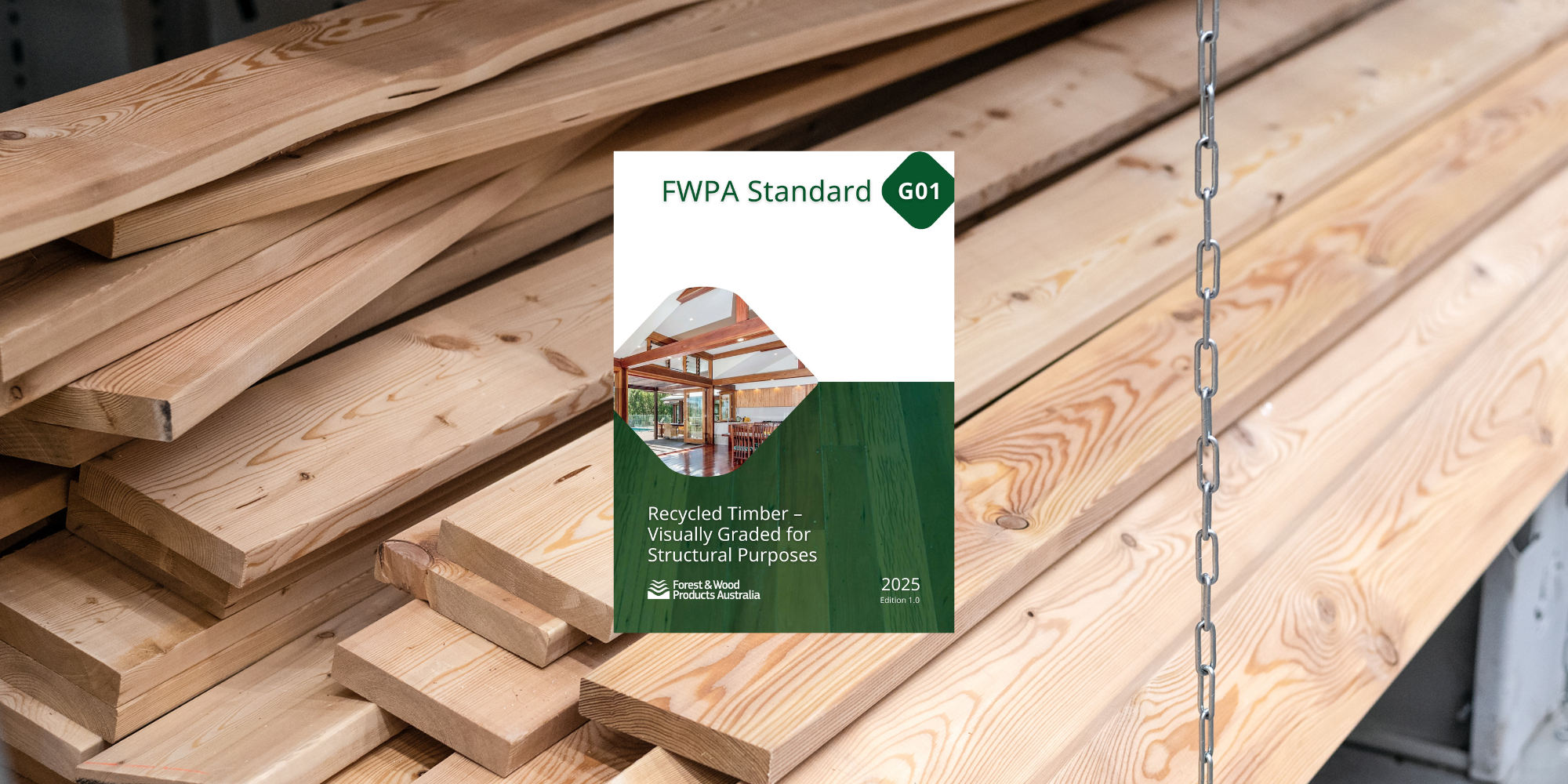
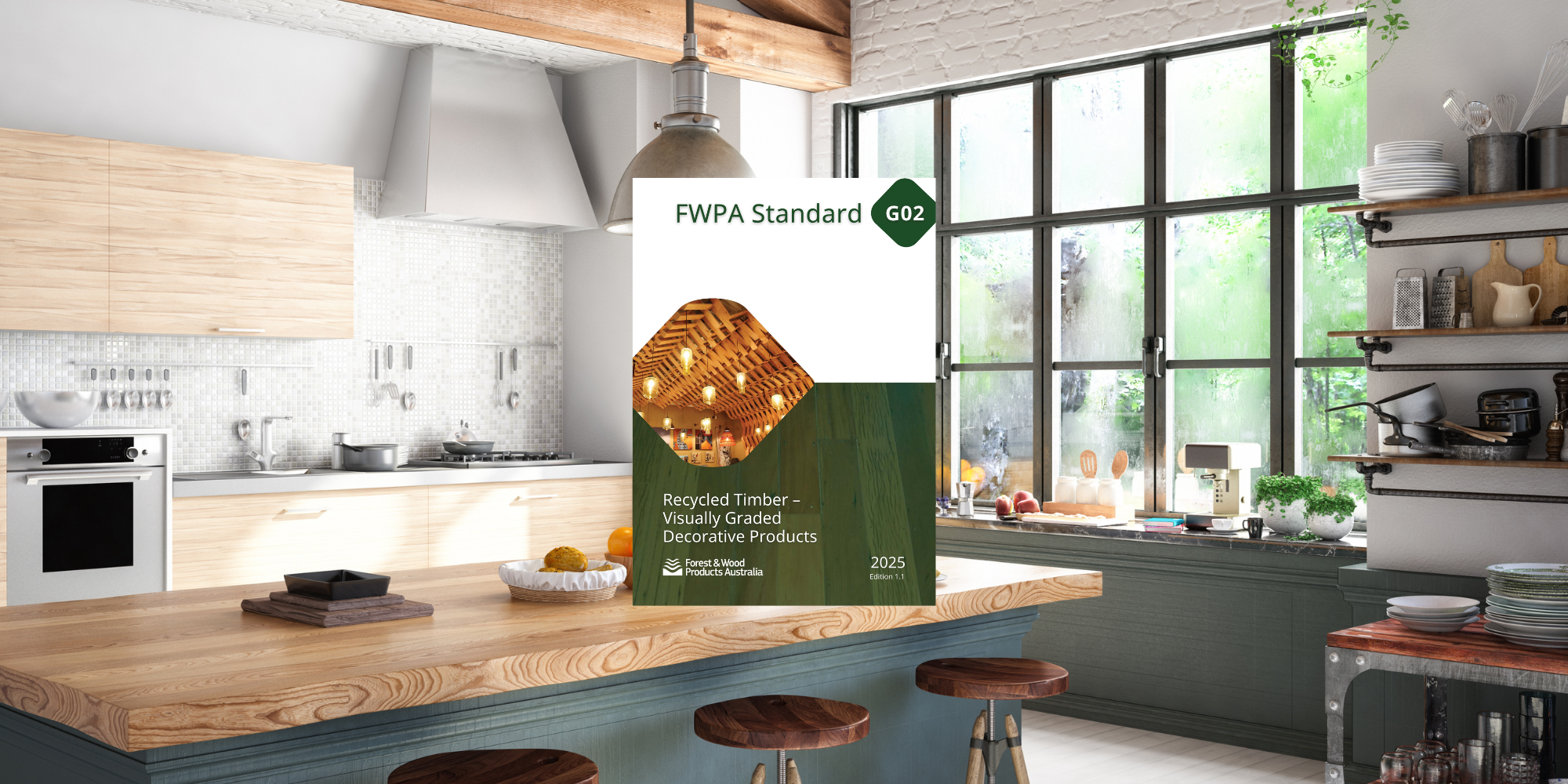
The objective of this Interim Standard is to provide recycled timber manufacturers, suppliers and users with requirements for visually grading recycled hardwood timber intended for use in structural applications.
AS 1684 Part 3 is similar to Part 2 except that it covers design and construction details for cyclonic areas. Wind classifications covered are C1, C2 and C3 (previously 41C, 50C and 60C).
Visual grading is the traditional method of determining a stress grade. It is still used for many structural products in Australia, including most seasoned and unseasoned hardwoods, and unseasoned and thicker seasoned softwoods.
AS 1684 Part 4 provides simpler design procedures than those contained in Part 2, for N1/N2 wind classifications only. The scope of Part 4, including house geometry and range of stress grades is also more limited.
AS 1684 User Guide 6 - Roof truss tie-down
AS 1684 User Guide 8 - Masonry anchor tie-down