Roundwood

Roundwood is any timber product supplied in log form, which is usually used for structural applications.

Overview

Roundwood is any timber product supplied in log form; more commonly known as poles, piles, girders and posts. Roundwood is mainly used for structural applications and its main benefit is that it requires very little processing and that it also retains its density and strength, unlike sawn timber.

Common applications for roundwood include bridge girders, utility service poles, building poles and retaining walls.

Roundwood is both practical and simple to use, and apart from the removal of limbs, the only processing is likely to be preservative treatment and possibly the removal of sapwood.
Properties

Durability

Roundwood is often used for in-ground contact or is exposed to the elements so the following requirements should be adhered to:

Poles in-ground contact - only timber of Durability Class 1 should be used, or poles containing sapwood that can be pressure preservative treated to H5 level. Plantation softwood should also be treated to H5 level.

Poles mounted on stirrups or stools which are clear of ground contact - only timber of Durability Class 2, or an H3 level of preservative treatment are acceptable when used in an exposed situation. When used in a protected situation, any durability class of timber can be used, provided any lyctid susceptible sapwood has been treated to H1 level.

Poles on base plates - exposed (subject to regular wetting) - timber should be de-sapped Durability Class 2 or better; or Durability Class 2 or better with sapwood treated to H3 level. Plantation softwood should be treated to H3 level

Poles on base plates (protected by the building but may receive occasional wetting) - Timber species can be of any durability class but any lyctid susceptible sapwood should be treated to H1 level.

Enclosing a pole or post in concrete to give added support may actually cause decay as concrete retains moisture and makes it difficult to provide further treatment of the soil.

The tops of poles, treated or untreated, should be fitted with a metal cap to prevent water entry.

Sizes

Poles - Lengths typically fall in the range of 1.8m to 15.0 metres - and may be available up to 20m in length.

Piles - Common lengths range from 6 metres up to 23 metres.

Grades

Each species of roundwood can be assigned an appropriate stress grade or ‘F' rating.

Regulations / Standards & Codes

Roundwood products are usually graded to an Australian Standard for the products required, eg poles, piles, girders. "F grades" can be determined when required.

AS1720.1 Timber Structures Part 1: Design Methods - Section 6 Round Timbers provides typical structural design rules for roundwood.

AS2209 Timber - Poles for Overhead Lines describes the allowable natural characteristics of roundwood for power poles. While this Standard is for power poles it can also be used for pole construction.

AS 5604 Timber - Natural Durability Ratings provides the durability ratings of a large number of species in several categories including lyctid susceptibility; termite resistance; in ground-contact durability, outside above-ground durability; and marine borer resistance. Class 1 rated species are the most durable and Class 4 rated species the least durable.

AS 1604.1 Specification for Preservative Treatment - Sawn and Round Timber details the effective preservative treatment of roundwood.

AS 2159 Piling - Design and Installation and AS 3818.3 Timber - Heavy Structural Products-Visually Graded-Piles cover piles.


*Disclaimer : The species mentioned here are just a guide and for specific information refer to Suppliers Section

Description

Fire Resistance

For more information about fire resistance regulations please refer to C1.10 Fire Hazard Properties within the Building Code of Australia (BCA).

Treatments

Most treatment methods for roundwood are designed to deliver preservative in the ring of sapwood. Removal of bumps to improve the aesthetic appearance of the roundwood should be avoided if the underlying heartwood is not of high durability.

For hardwoods where the timber is exposed to the weather or there is in-ground contact, the sapwood is normally either removed or preservative treated.

For softwoods, preservative treatment is necessary because most of the softwoods commercially available for roundwood have a low durability rating. Pine poles readily accept treatment, are lighter and have a proven history in pole structures. However, small diameter pines are less dense and therefore not as strong.

CCA (Copper Chrome Arsenate) is the most common preservative treatment for poles, while PEC (Pigmented Emulsified Creosote) may also be used.

Supplementary treatment may be required at around 5-year intervals, especially in more tropical areas.

Design/Engineering Considerations

One of the main benefits of roundwood is that it requires minimal processing for end-products.

Roundwood can be deeply embedded into the ground and also suits steeply sloping sites. Timber piles can help to transfer structural loads deep underground, so that structures are not just reliant on surface soils.

Piles are also effective in corrosive soils and marine environments.

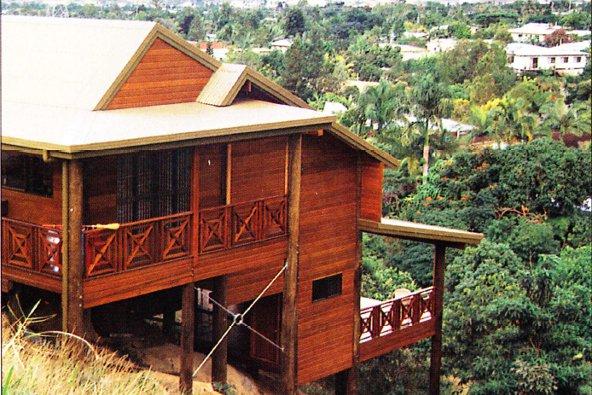
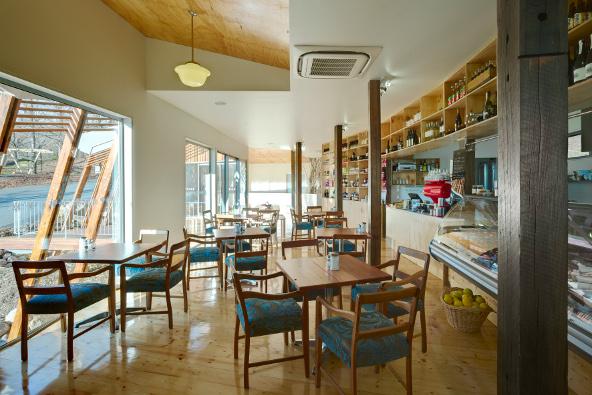
From a design perspective, the architectural appeal of pole frame construction can help to create a desirable appearance in both residential and commercial buildings.

Cutting Holes & Notches

It is important that the cutting of holes and notches does not jeopardise existing preservative treatment or restrict durability.

Joints & Connectors

Advice regarding fixings is generally available from building suppliers, however galvanised steel that comes into contact with wet CCA treated timber is likely to corrode. It is therefore recommended to use a hot-dipped galvanizing process.

Applications

  • Framing

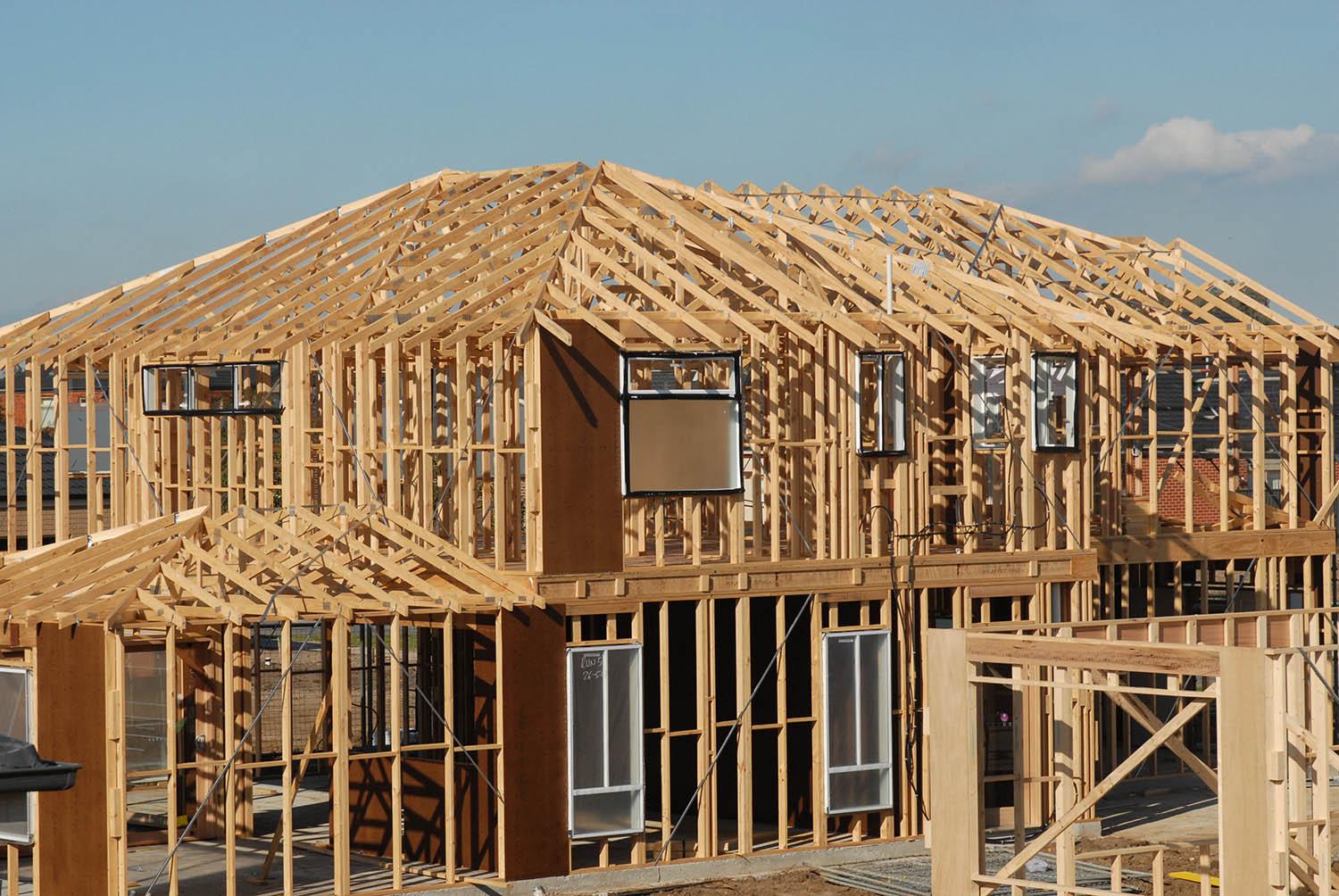
    Since people began building simple shelters, wooden framing has played an important role in shaping structures of many kinds. One of the most popular types of wooden framing is known as lightweight timber construction.

  • Retaining Walls (Landscaping)

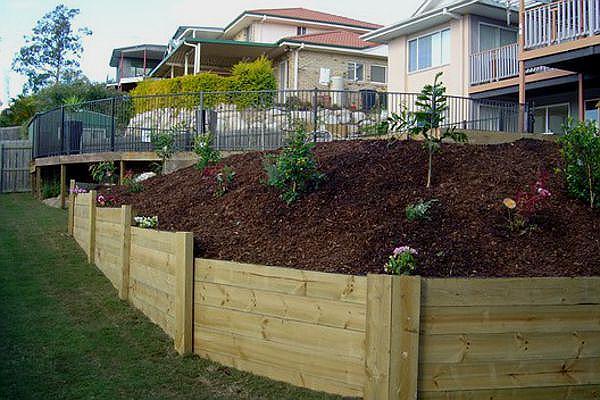
    When it comes to retaining wall, landscape design and construction, timber is the natural choice. A material that is durable, sturdy and reliable, it boasts natural aesthetics that help it blend seamlessly with the outdoors. Careful consideration during the specification and design process will facilitate the creation of a long lasting, durable and eye catching timber retaining wall that will complement its surrounding landscape for years to come.

  • Structural Timber Poles

    Timber poles are utilised in structural construction to provide support for gravity loads and resistance against lateral forces. Not only serving a structural function, timber poles provide many aesthetic benefits, with their use in construction often complementing architectural designs aimed at harmonisation with the natural environment.

Case Studies

All Comments (0)

Sign In or Sign Up now to post a comment!