Yellow gum is a medium sized native Australian hardwood valued for its toughness and durability. It is an ideal choice for heavy construction.
Blue Gum, White Ironbark, South Australian Blue Gum, Large Fruited Blue Gum, Water Gum
Eucalyptus leucoxylon
Yellow gum or Eucalyptus leucoxylon is a medium sized hardwood that grows to about twenty metres in height. It is difficult to describe yellow gum as a single tree type, as there are many different sub-species, each with its own appearance and habitat. In general, trees of this species are noted for their long flowering period and attractive bark, which is dark and fibrous at the base of the trunk. The remainder of the trunk is smooth, grey, mottled yellow or white and bluish-grey on the upper trunk and branches.
The overall species has a native range extending from southern NSW through central and western Victoria into most of South Australia, including Kangaroo Island. Yellow gum is suited to most areas except the tropics and adapts to most soils. It is drought and frost tolerant, and moderately fast growing. It also tolerates smog.
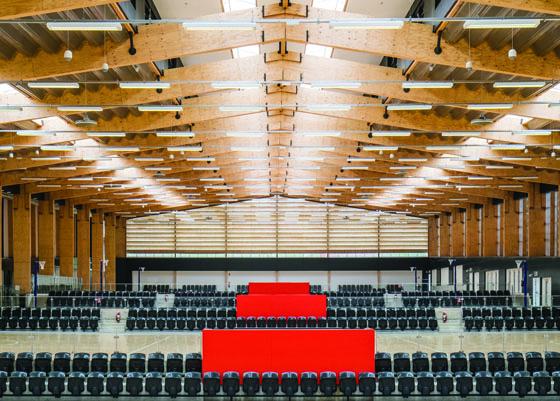
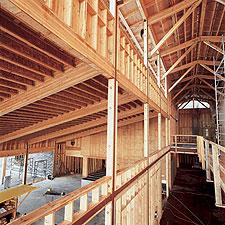
Yellow gum timbers are prized for their hardness, durability and impressive structural properties. Its vast range and availability make it an appealing choice for those requiring timber for heavy construction purposes. Common uses include heavy construction as posts, wharfage, bridgework, sleepers and fencing.
The timber is also termite resistant, although the sapwood is prone to lyctid borer. Workability is sacrificed for durability, as the timber is extremely dense and heavy. For this reason, it is not well suited to cabinetry.
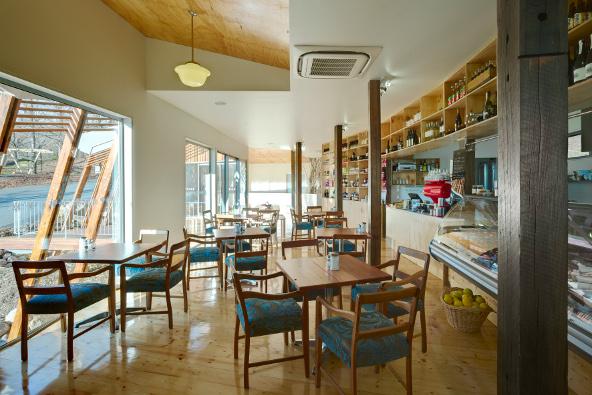
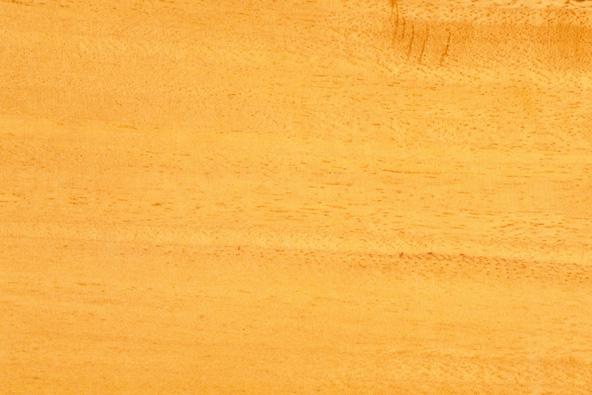
Yellow gum timber ranges in colour from yellow to pale brown. Grain is interlocked with a moderately coarse texture and often produces an attractive fiddleback figure.
Yellow gum is often used in gardening as a screen, for windbreaks, and for displays of long-lasting, attractive flowers. It can be used to produce fine honey.
Shrinkage
| Very Low | Low | Medium | High | Very High | |
|---|---|---|---|---|---|

|
|
|
|||
|
Tangential :
|
6.30% | ||||
|
Radial :
|
2.80% | ||||
|
Unit Movement Tangential:
|
0.32% | ||||
|
Unit Movement Radial:
|
0.19% |
Strength Group
| Very High | High | Reasonably High | Medium High | Medium | Reasonably Low | Low | Very Low | |
|---|---|---|---|---|---|---|---|---|
| Unseasoned: | S1 | S2 | S3 | S4 | S5 | S6 | S7 | S8 |
|
|
||||||||
| Seasoned: | SD1 | SD2 | SD3 | SD4 | SD5 | SD6 | SD7 | SD8 |
|
|
Stress Grade
|
Structural No. 1 |
Structural No. 2 |
Structural No. 3 |
Structural No. 4 |
Structural No. 5 |
|
|---|---|---|---|---|---|
| Unseasoned: | F14 | F11 | F8 | F7 | F5 |
| Seasoned: | F14 | F11 | F8 | F7 | F5 |
Density per Standard
| Seasoned: | 1010kg/m3 |
|---|---|
| Unseasoned: | 1200kg/m3 |
Joint Group
| Very High | High | Reasonably High | Medium | Low | Very Low | |
|---|---|---|---|---|---|---|
| Unseasoned: | J1 | J2 | J3 | J4 | J5 | J6 |
|
|
||||||
| Seasoned: | JD1 | JD2 | JD3 | JD4 | JD5 | JD6 |
|
|
Colour
| White, yellow, pale straw to light brown | Pink to pink brown | Light to dark red | Brown, chocolate, mottled or streaky | |
|---|---|---|---|---|
|
|
||||
Mechanical Properties
|
Modulus of Rupture - Unseasoned:
|
87 |
|---|---|
|
Modulus of Rupture - Seasoned:
|
111 |
|
Modulus of Elasticity - Unseasoned:
|
11 |
|
Modulus of Elasticity - Seasoned:
|
12 |
|
Maximum Crushing Strength - Unseasoned:
|
44 |
|
Maximum Crushing Strength - Seasoned:
|
67 |
|
Impact - Unseasoned:
|
17 |
|
Impact - Seasoned:
|
9 |
|
Toughness - Unseasoned:
|
|
|
Toughness - Seasoned:
|
|
|
Hardness - Unseasoned:
|
9.1 |
|
Hardness - Seasoned:
|
11.6 |
Durability
| Low | Moderate | Reasonably High | High | |
|---|---|---|---|---|
| (0 - 5 yrs) | (5 - 15 yrs) | (15 - 25 yrs) | (more than 25 yrs) | |
|
In-Ground:
|
|
|||
| (0 - 7 yrs) | (7 - 15 yrs) | (15 - 40 yrs) | (More than 40 yrs) | |
|
Above ground:
|
|
|||
| (0 - 20 yrs, usually < 5) | (21 - 40 yrs) | (41 - 64 yrs) | (More than 60 yrs) | |
|
Marine Borer Resistance:
|
|
Lyctid Borer Susceptibility:
|
Susceptible |
|---|---|
| Lyctid Borer Susceptibility - Other: | |
|
Termite Resistance:
|
Resistant |
Fire Properties
|
Critical Radiance Flux - Lower:
|
>2.2 and <4.5 |
|---|---|
|
Critical Radiance Flux - Higher:
|
≥4.5 |
|
Smoke Development Rate:
|
<750 |
| 1 - non-combustible | 2 - reasonably non-combustible | 3 - slightly combustible | 4 - combustible | |
|
Fire Properties Group Number: |
|
|
Average Specific Extinction Area:
|
<250 |
|---|---|
|
Bushfire Resistance:
|
BAL 12.5 and 19 – All AS3959 required applications |
The heartwood of the yellow gum is, as its name suggests, yellow to pale brown in colour. It is common for the heartwood to exhibit pink and yellow tints around features. Sapwood is slightly paler and easily distinguished from the heartwood.
Due to the high density of this moderately fast growing timber, yellow gum features an interlocked grain and a somewhat coarse texture. It often produces an attractive fiddleback figure.
Yellow gum timbers are prized for being hard, strong and very durable. This is an ideal timber for structural engineering purposes, including fencing and building. Timber of the Eucalyptus leucoxylon is used for sleepers and poles and is well suited to heavy construction such as wharfage and bridgework.
Yellow gum timber is also ideal for use as fuel as it burns with few sparks and makes excellent coals. However, its density and hardness make it very difficult to split, and it is also tough to ignite.
VIC