When a building company is owned by a business with deep roots in forestry, it’s only natural those values shape how they think about building homes.
In turn, that commitment to sustainability can create a halo effect: a favourable perception that influences how the market views the company and its values.
That’s the case for one of Australia’s largest residential builders, Henley. Since forming in 1989, Henley has built more than 60,000 homes across Victoria, Queensland, New South Wales and South Australia under the Henley Homes, Plantation Homes and Edgewater Homes brands.
The company is part of the Sumitomo Forestry Group, a global organisation whose history in sustainable forestry, manufacturing and home building stretches back more than 330 years. Sumitomo Forestry’s philosophy, “happiness grows from trees”, reflects a long-standing focus on responsibly managed forests and renewable materials.
With sustainability embedded in the parent company’s philosophy, that commitment naturally flows into Henley’s own approach.
With “sustainability at the core of their innovation”, this has included introducing 5-star energy-rated homes at no extra cost through a partnership with CSIRO in the early 2000s, and more recently challenging the idea that sustainable homes must come at a premium. Through its net zero initiative in Queensland, Henley is working to make lower-carbon homes more accessible, enabling homeowners to choose smarter, more efficient living without compromise, “one tree, one home, one family at a time.”
A key ingredient in delivering that vision sits behind the walls.
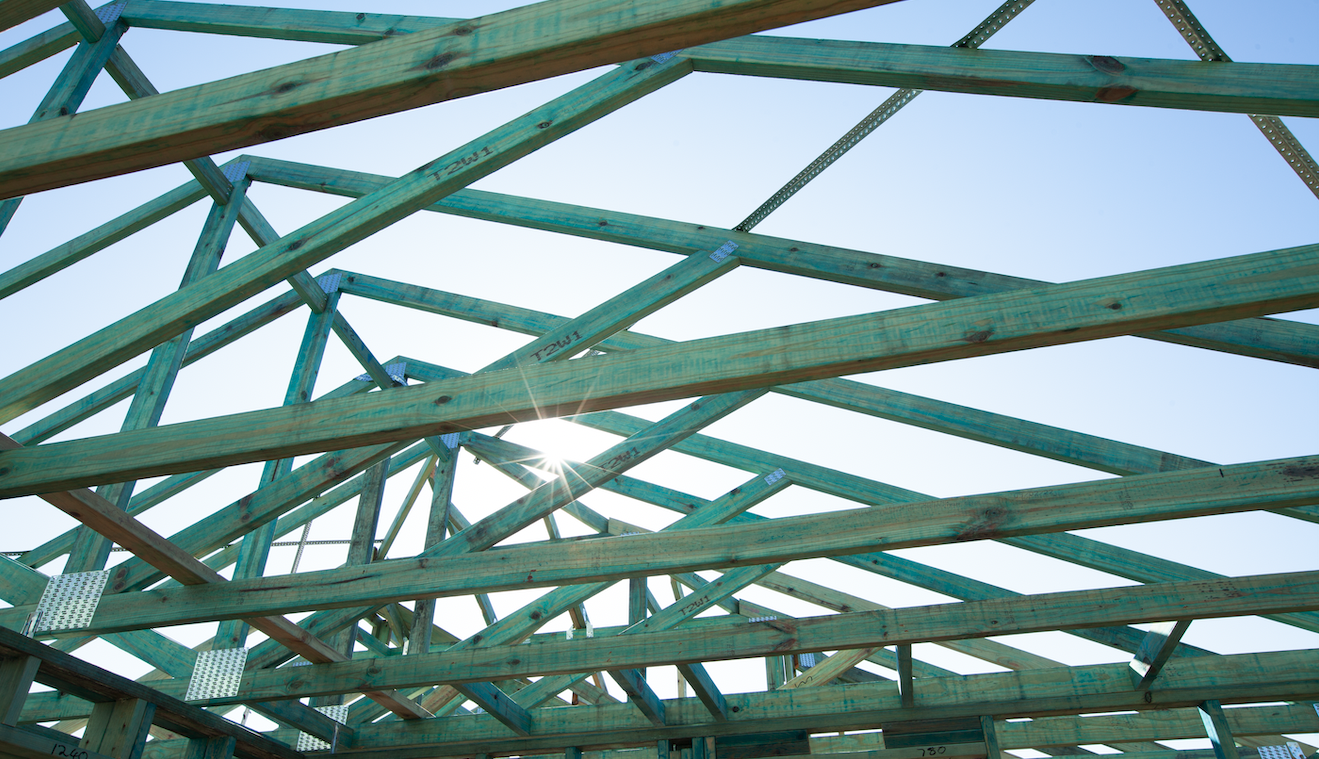
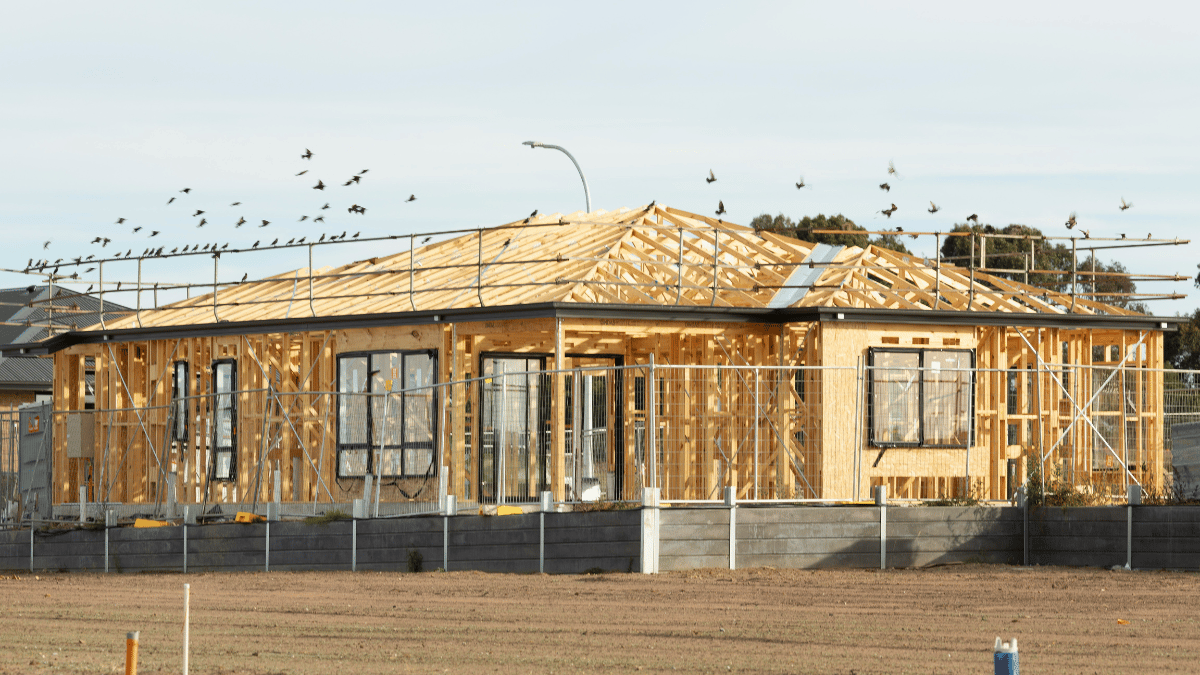
Henley builds the structure of its homes using a renewable material: timber framing, which stores carbon and supports responsible forest management.
Having Henley supporting WoodSolutions’ Timber Framing Campaign messaging, we couldn’t ask for a more positive endorsement for this high-performing structural choice:
“When it comes to building homes that are both beautiful and environmentally responsible, what’s behind the walls matters. We choose timber framing – not just for its strength and versatility, but for its powerful role in fighting climate change.”
It’s a message that resonates because it speaks directly to points customers are increasingly caring about: homes that are comfortable, energy efficient and built with materials that support a more sustainable future.
And as Henley’s example shows, when sustainability becomes part of the brand story, the benefits of that halo effect extend beyond the structure of the home to how customers perceive the builder itself.
Building with timber framing? Visit the Timber Framing Campaign page for free resources and team training to help your business harness the natural benefits of timber in your marketing.