



InFocus
WoodSolutions InFocus videos bring you new insights and information about Australia's forest and wood products industry and the range of products and services it offers.
The videos are designed to provide you with an overview that will enable you to specify and use products with confidence - and links to sources of more detailed information.
Technical Design Guides
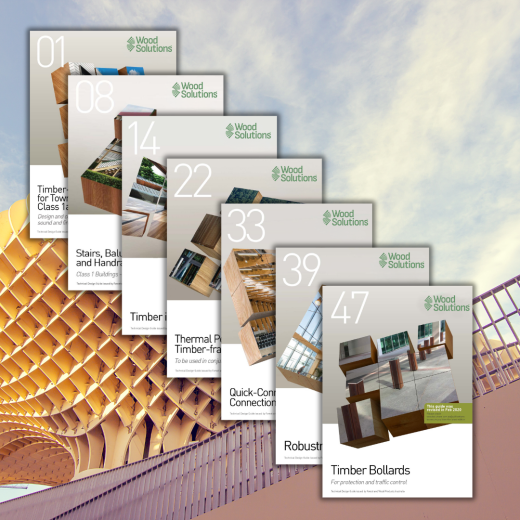
WoodSolutions Design guides have been developed to provide an authoritative source of information for design and construction professionals, the timber industry and other interested readers.
Workplaces: Wellness + Wood = Productivity
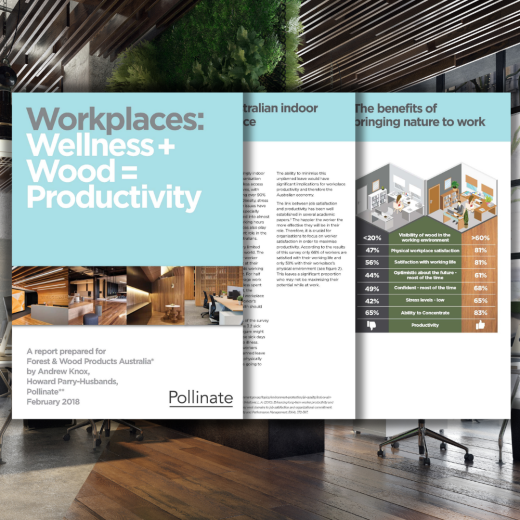
This landmark report reveals how visible wood in Australian workplaces boosts wellbeing, reduces sick leave, and enhances productivity. Based on a national survey of 1,000 indoor workers, it’s the first large-scale Australian study to link biophilic design—including wood—to better mental health and performance at work.
Appearance grading
The classification of timber based on its visual characteristics, such as knots, grain, colour, and surface blemishes, rather than its structural strength. Appearance grading is used when timber is exposed in a finished application and aesthetics are a key consideration—such as in interior linings, flooring, or furniture. Grading rules vary by species and product type and are set out in relevant Australian Standards, ensuring consistency and quality in appearance-based applications.