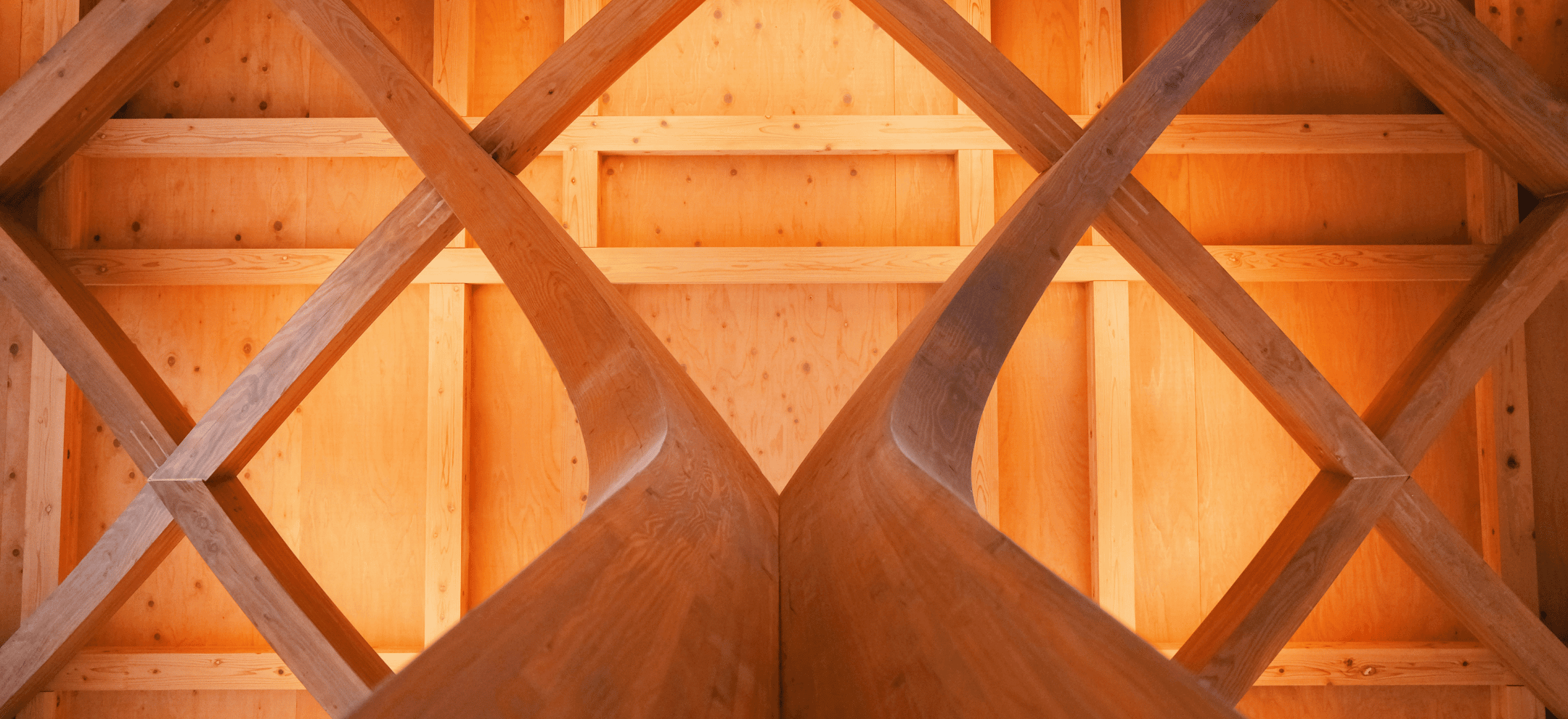
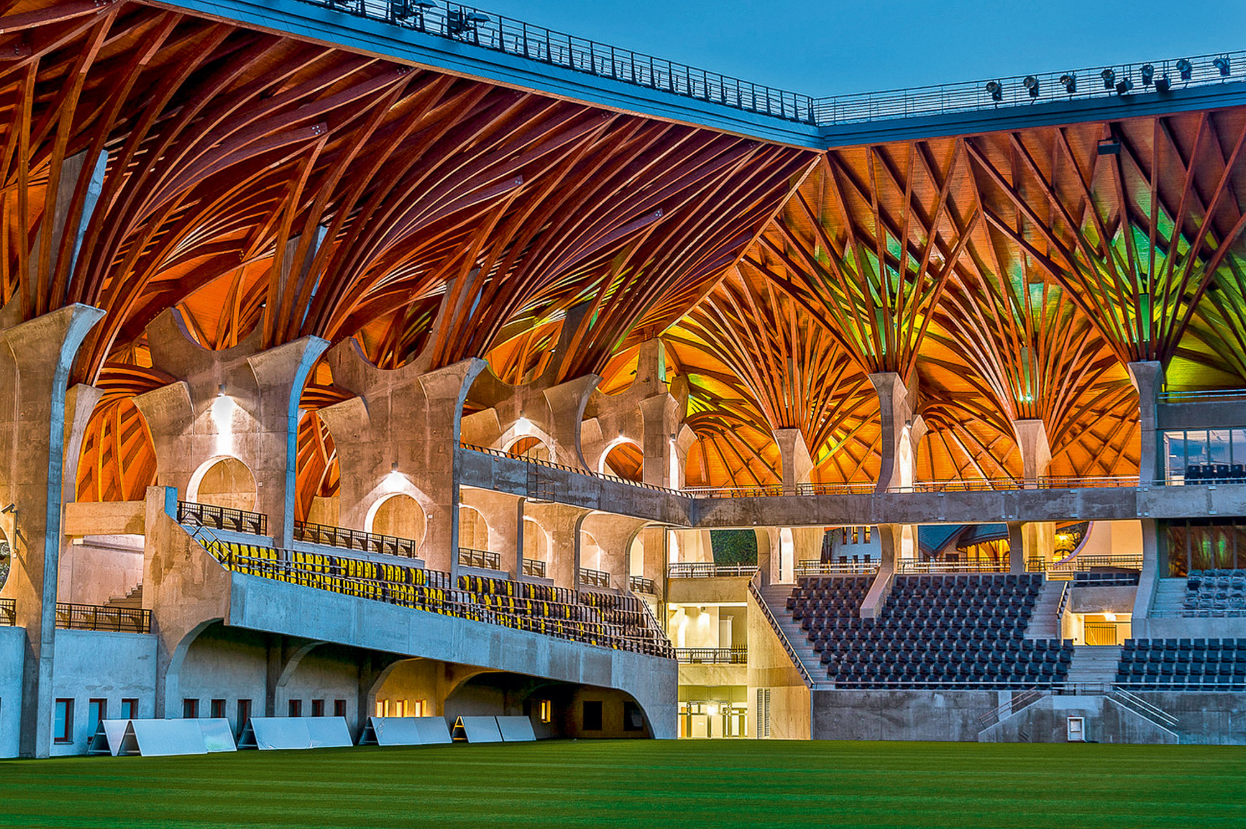
Glued laminated timber is one of the oldest engineered structural products still in continuous use. Its development from early European experiments in the 1890s through to modern CNC-fabricated mass t...
CLT buildings in Australia must comply with the National Construction Code (NCC) across structural adequacy, fire safety, acoustic performance, energy efficiency, accessibility, and weatherproofing, t...
Timber's environmental credentials are well established - it stores carbon, it comes from renewable sources, and it requires less energy to manufacture than steel or concrete. Environmental claims mus...
Timber burns. This is understood, and it is not the end of the conversation - it is the beginning. The fire performance of CLT buildings is well documented, well tested, and routinely demonstrated to ...
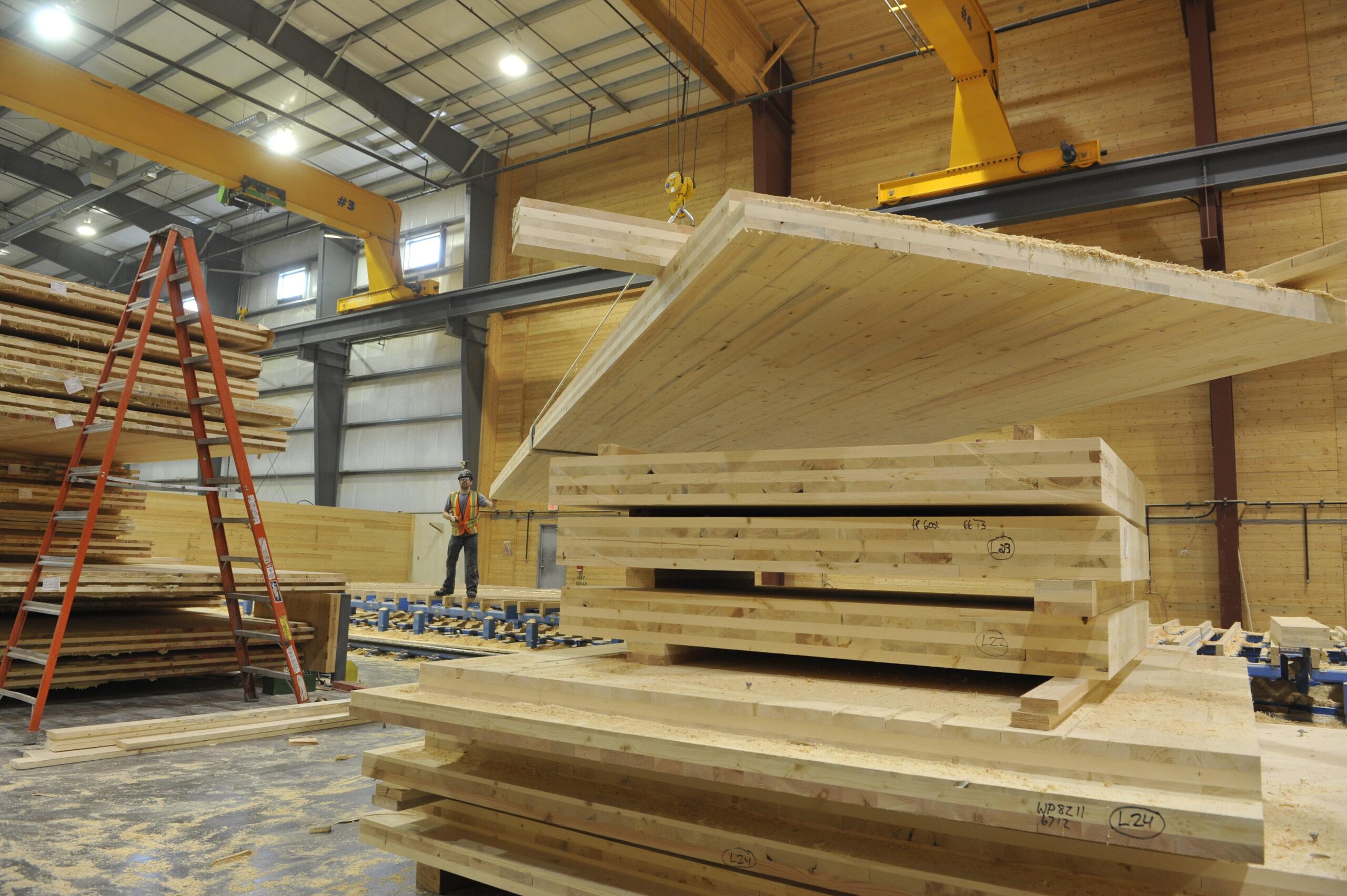
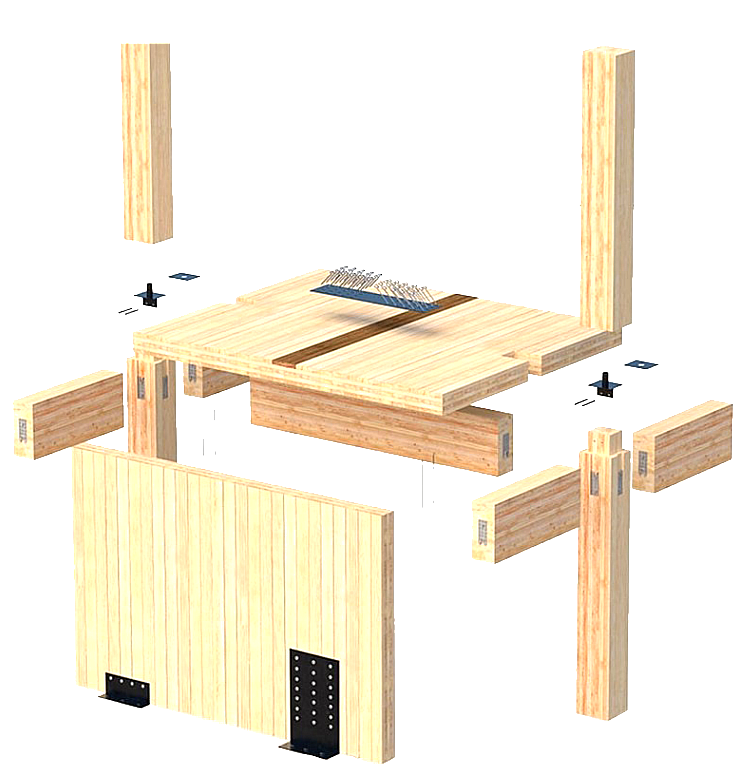
CLT is a solid engineered timber panel designed for structural performance, prefabrication, and two-way spanning action. Its strength, stiffness, and dimensional stability are the result of controlled...
Insurance Considerations for Mass Timber Construction
Key TakeawaysMid-rise timber buildings have a long history in Australia. Many heavy timber structures from the late 19th and early 20th centuries remain in active use today, providing insurers with es...
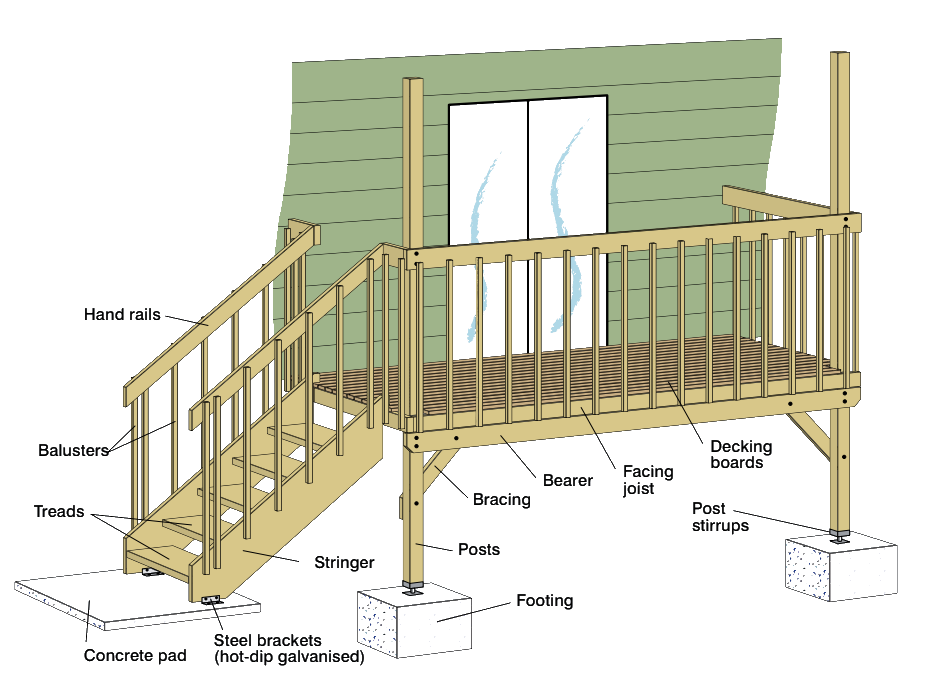
This guide outlines key design and construction considerations for light domestic timber decks for both raised and close to or on-ground timber decks that are exposed to the weather. It covers decks a...
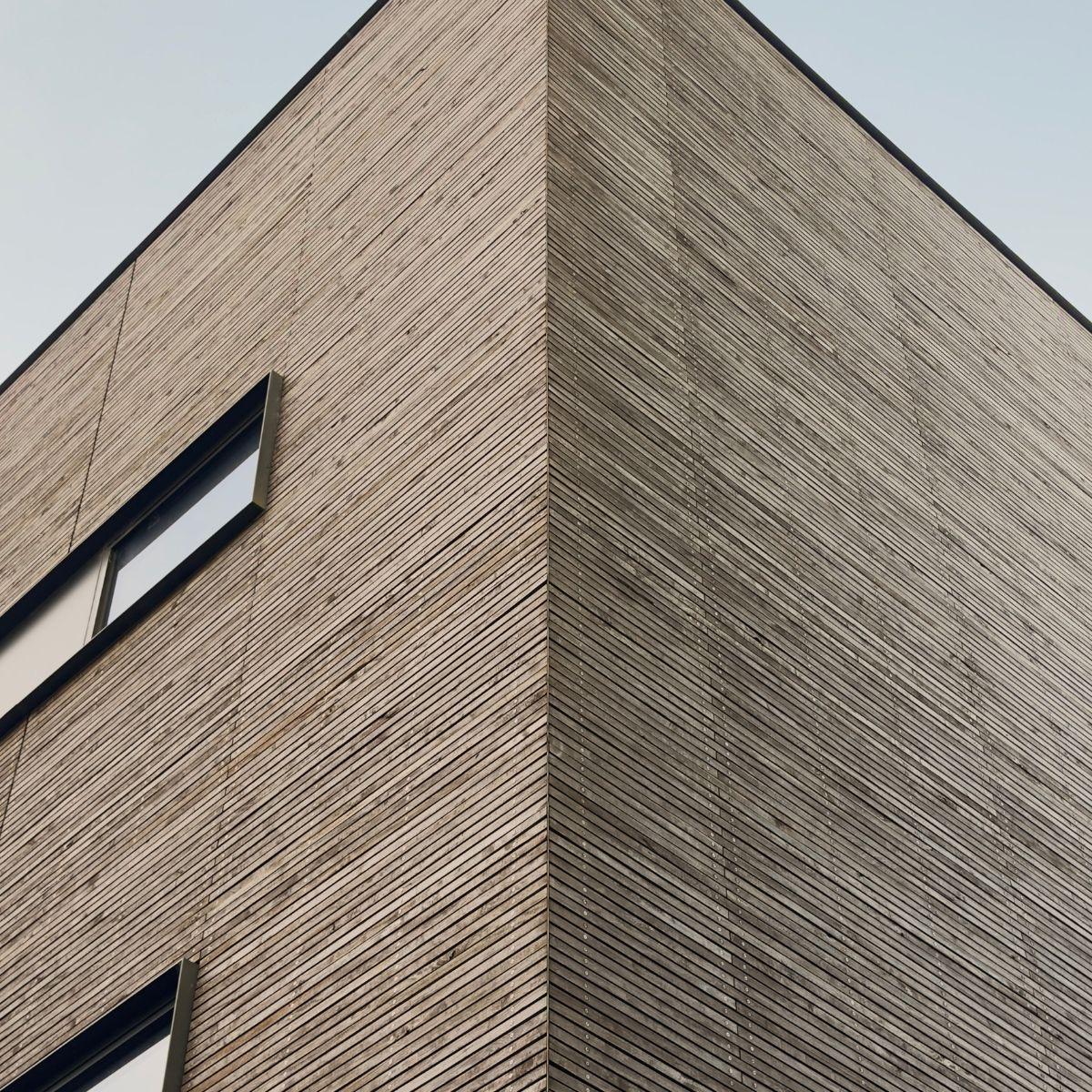
Timber's durability in service is not determined by species or treatment alone. Good detailing is necessary to ensure timber durability, allowing timber to shed water, dry out, and avoid becoming a mo...
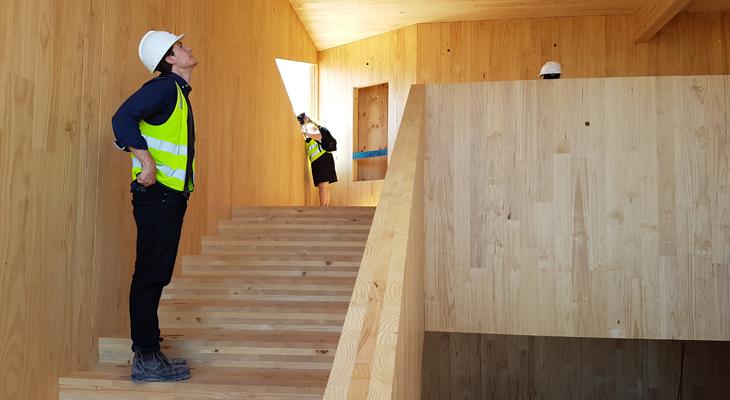
CLT buildings are designed differently from conventional steel, concrete, or timber frame structures. The material's large-format panels, plate-like structural behaviour, and off-site fabrication crea...
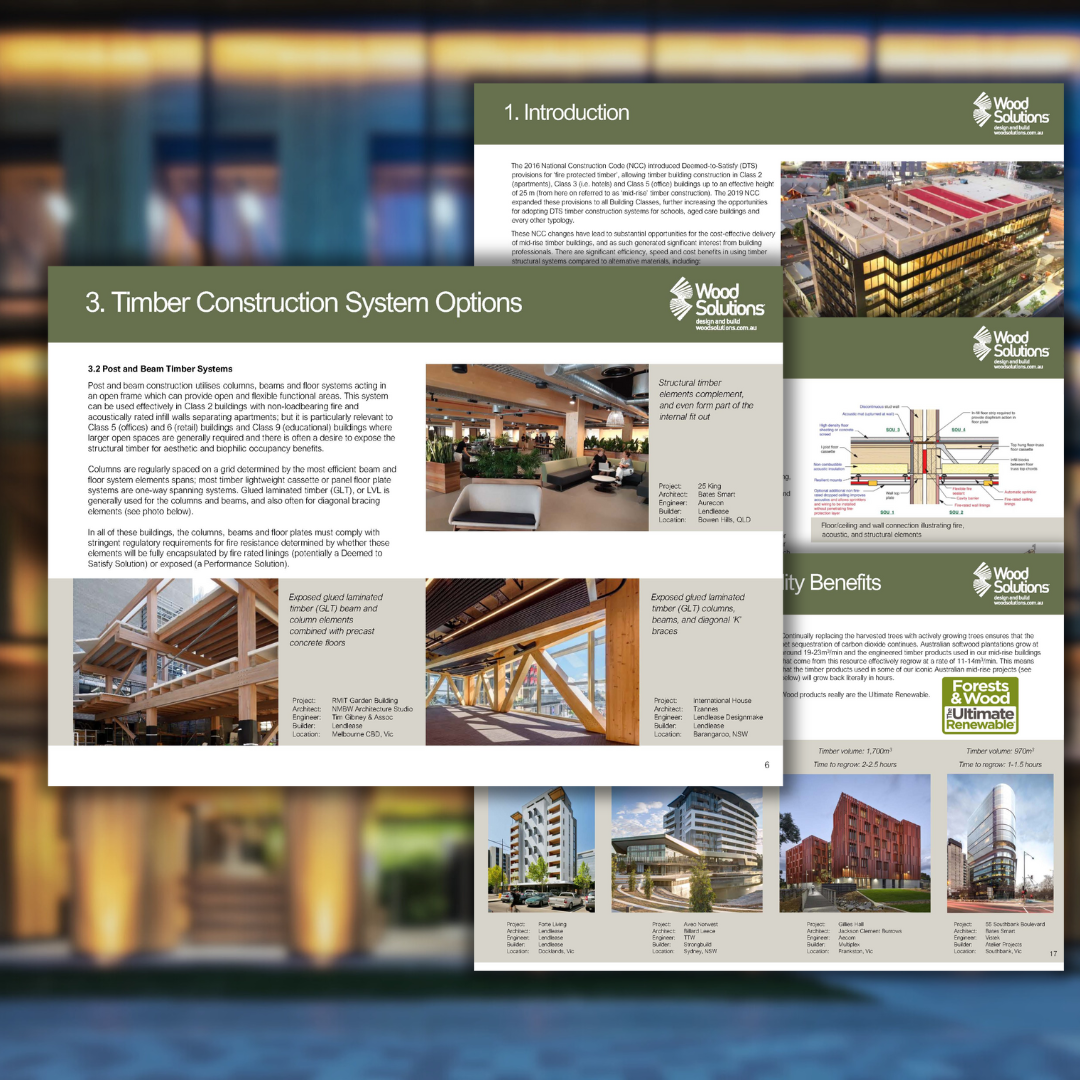
Timber is reshaping the way Australia designs and delivers mid-rise buildings. With advances in prefabrication, fire safety, and acoustic performance — and new opportunities under the National Const...
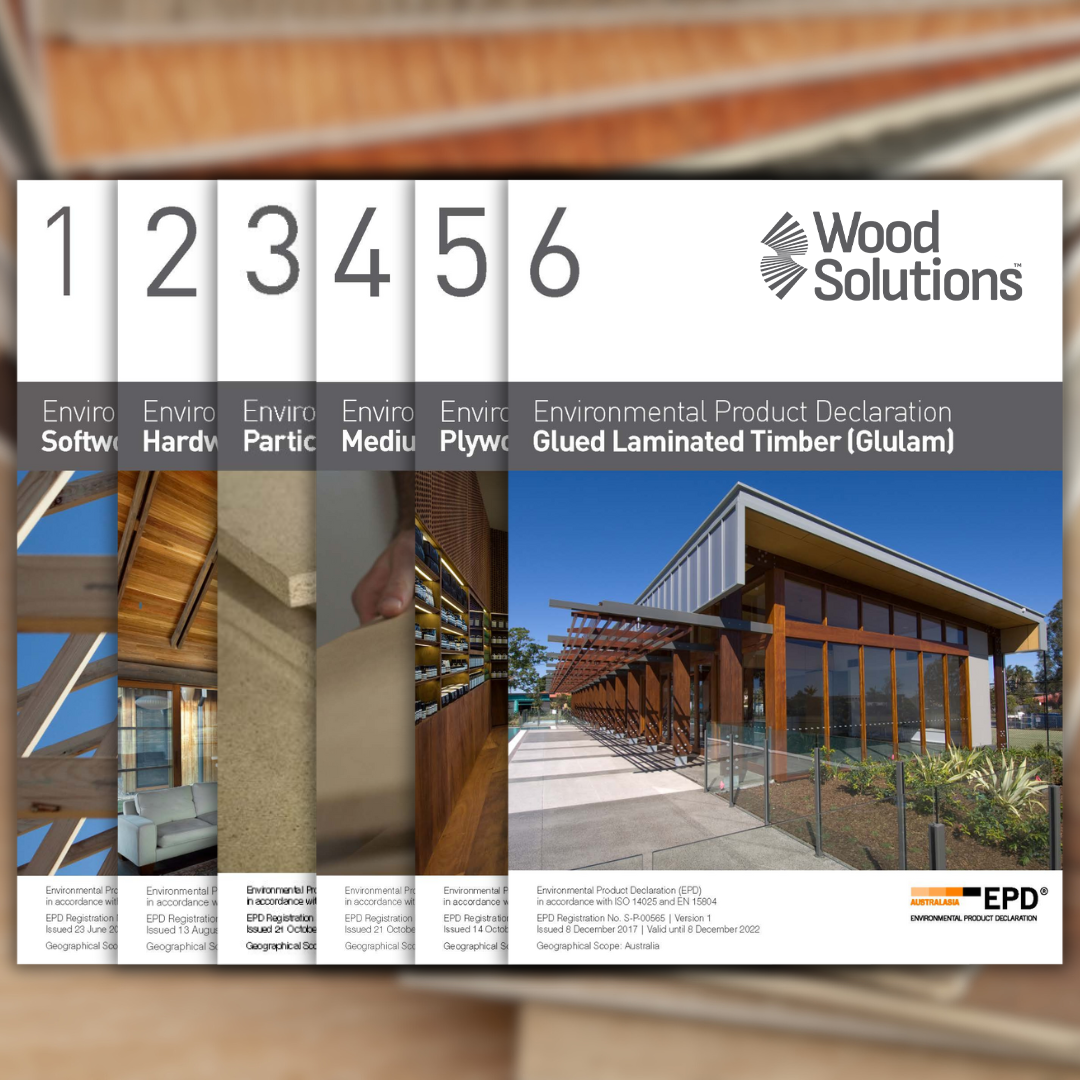
An environmental product declaration (EPD) is a standardised and verified way of quantifying the environmental impacts of a product based on a consistent set of rules that have been developed through an extensive stakeholder consultation process.
These impacts are based on the product’s consumption of raw materials and energy, waste generation, and emissions to air, soil and water over its full life cycle. An EPD includes a carbon footprint alongside other environmental indicators.
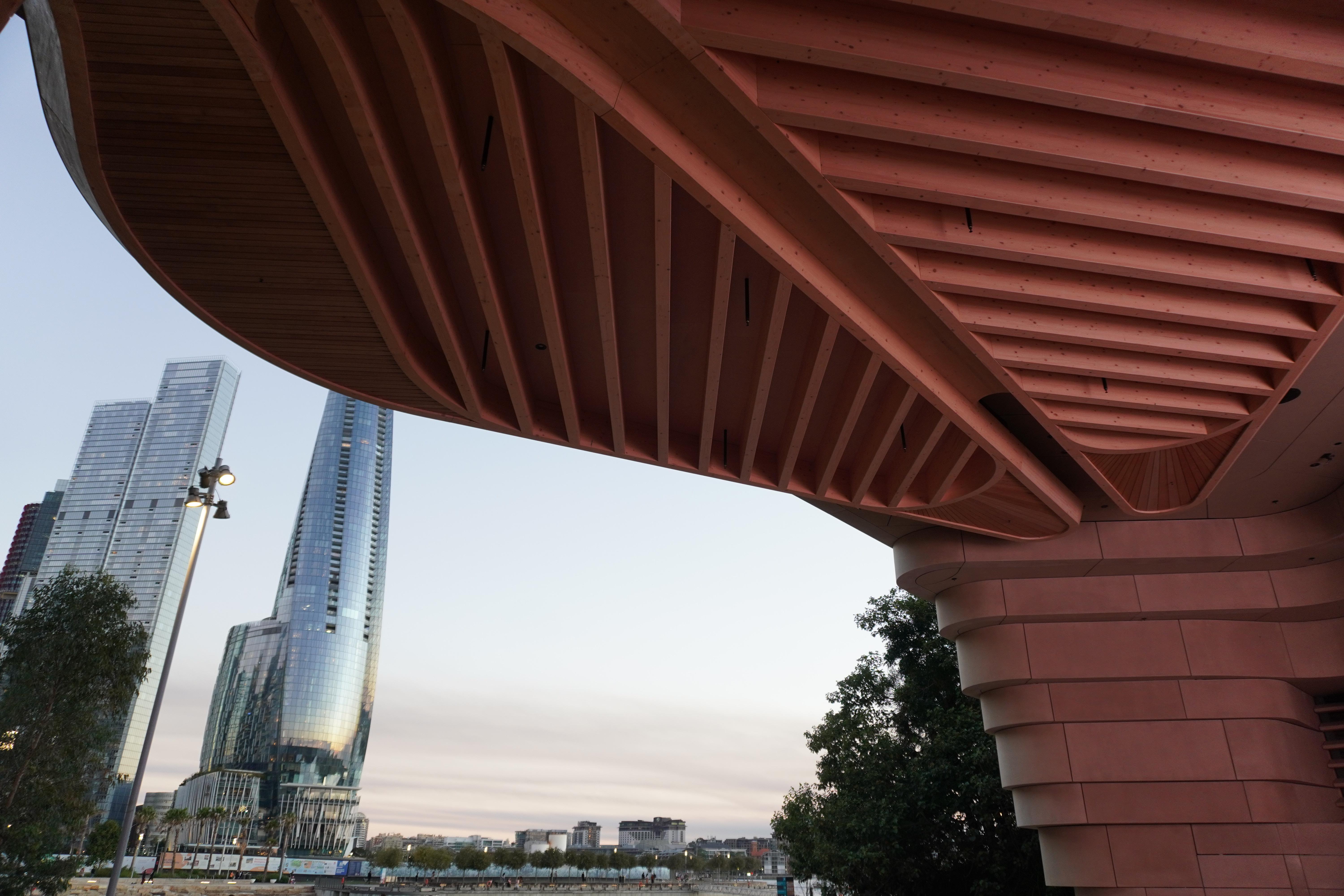
Glued Laminated Timber (GLT), commonly called glulam, is a structural engineered wood product manufactured by bonding multiple layers of dimensioned timber with structural adhesive. All laminations ha...
Timber is available as a structural material across the full range of building types and scales — from detached housing to multi-storey commercial and civic buildings. The question is not whether ti...